/filters:format(jpeg,png)/fit-in/300x300/guide_websites/1085/images/1773333909358image9.png)
/filters:format(jpeg,png)/fit-in/237x80/guide_websites/1085/images/1773333909358image9.png)
Lake Ray Hubbard Crappie Fishing: Best Seasons & Techniques
%2Ffit-in%2F1000x1000%2Ffilters%3Aformat(webp)%2Fguide_websites%2F1085%2Fimages%2F1773338845571image44.png&w=1920&q=75)
Published: September 21, 2026
Lake Ray Hubbard crappie fishing changes with the seasons. As water temperatures rise and fall, crappie move between shallow spawning areas, submerged brush, timber, bridge structures, and deeper water.
Spring brings the biggest shift toward shallow water, while summer pushes many fish deeper. Fall brings renewed feeding activity, and winter often concentrates crappie around deeper structure. Knowing these patterns can help anglers choose better dates for Lake Ray Hubbard fishing trips.
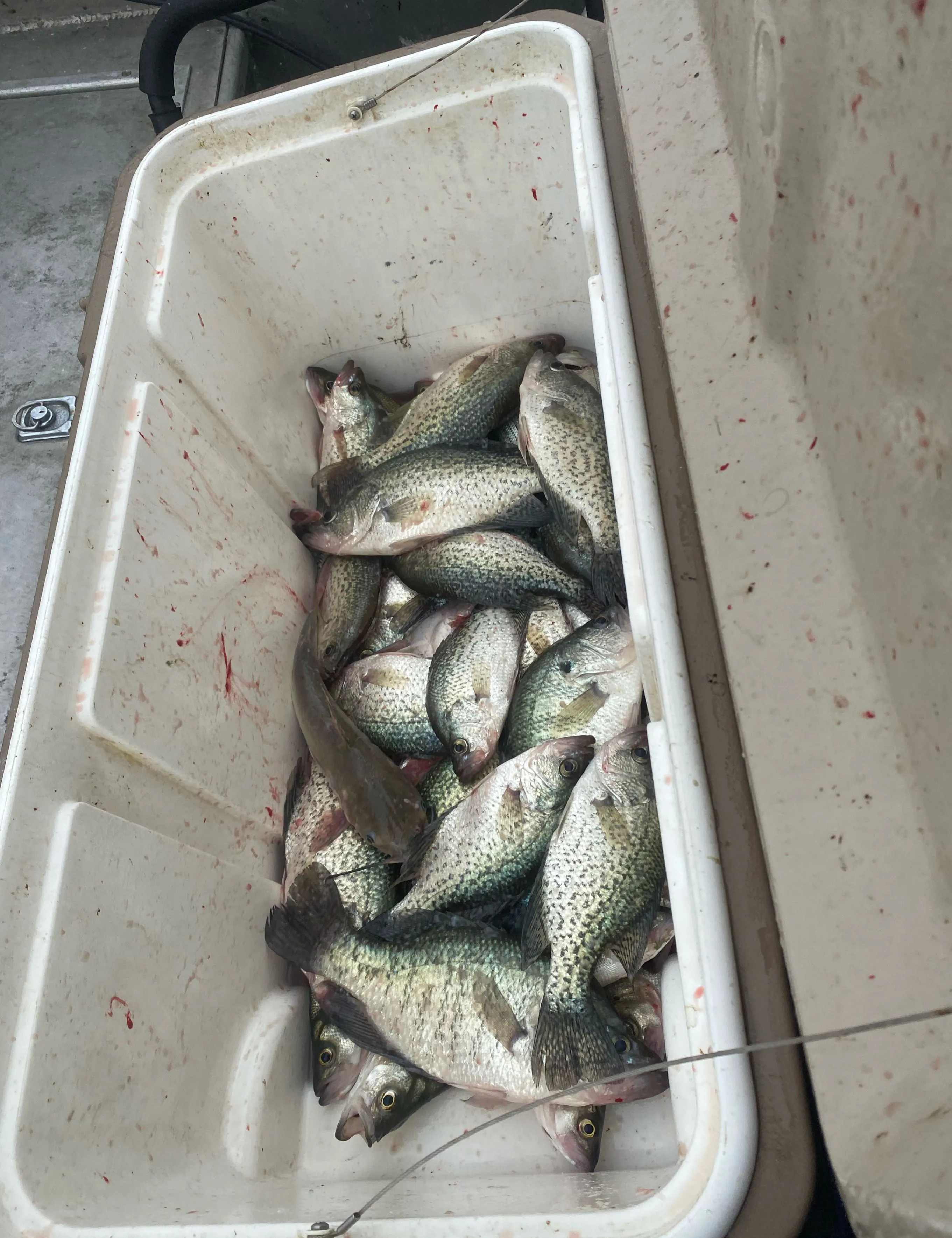
When Is the Best Time for Crappie Fishing on Lake Ray Hubbard?
Spring is generally the best season for targeting crappie on Lake Ray Hubbard, especially as warming water moves fish toward spawning areas. However, each season offers a different opportunity.
Spring
Spring brings the biggest seasonal movement for crappie on Lake Ray Hubbard. As water warms, fish leave deeper areas and move toward shallow spawning habitat, cover, and structure.
- Best for: Shallow and spawning crappie
- Look around: Brush, timber, creek-related areas, and protected coves
- Go-to options: Live minnows, small jigs, and spider rigs
Summer
Summer heat changes where crappie hold on Lake Ray Hubbard. As temperatures rise, fish often move toward deeper structure, submerged cover, and areas offering more stable conditions.
- Best for: Crappie holding around deeper structure
- Look around: Submerged brush, bridge structures, timber, and deeper channels
- Go-to options: Vertical jigging, minnows, and spider rigs
Fall
Fall brings cooler water and renewed feeding activity, giving anglers another strong opportunity to target crappie. Fish begin transitioning from summer areas while following baitfish around structure and deeper water.
- Best for: Active feeding and transitional fish
- Look around: Points, creek channels, brush, and baitfish concentrations
- Go-to options: Jigs, minnows, and vertical presentations
Winter
Winter brings colder water and a shift toward deeper holding areas. Crappie often concentrate around stable structure, making precise depth control and slower presentations important for consistent fishing.
- Best for: Deep-holding crappie
- Look around: Channel edges, deep brush, timber, and structure
- Go-to options: Live minnows, slow jigging, and depth-focused presentations
The right time to book a Lake Ray Hubbard fishing guide depends on the pattern you want to fish. Spring is ideal for following crappie toward spawning areas, while summer and winter require more attention to deeper structure.
Best Seasons for Lake Ray Hubbard Crappie Fishing
Crappie locations can change quickly as water temperatures shift. Breaking the year into four seasonal patterns makes it easier to understand where fish are likely to hold and which techniques make sense.
Spring Crappie Fishing
Spring brings the biggest movement of the year. As the water warms, crappie gradually leave deeper winter areas and move toward shallower spawning habitat.
Pre-Spawn
- Pattern: Fish stage before moving into shallow spawning areas.
- Where: Brush piles, creek channels, and nearby structure.
- Technique: Use live minnows, small jigs, or spider rigs to cover different depths.
Spawn
- Pattern: Crappie move into shallower water as spawning conditions develop.
- Where: Protected coves, brush, timber, and shallow cover.
- Technique: Try small jigs or live minnows around visible structure.
Post-Spawn
- Pattern: Fish begin moving away from shallow spawning areas.
- Where: Deeper brush, bridge structures, creek channels, and nearby drop-offs.
- Technique: Spider rigging, long lining, and vertical jigging can help locate transitioning fish.
Summer Crappie Fishing
Hotter water changes the pattern. Crappie often move toward deeper structure where conditions are more stable, making submerged brush and bridge structures important areas to check.
Main Pattern
- Fish location: Deeper structure and submerged cover
- Key areas: Brush piles, standing timber, bridge structures, and creek channels
- Best approach: Search for the depth where crappie are concentrated rather than fishing one depth all day
Effective Techniques
- Vertical Jigging: Keep a small jig close to deep structure.
- Live Minnows: Present bait directly around brush or other cover.
- Spider Rigging: Cover several depths and locations while searching for active fish.
Best Time: Early morning and evening can be productive during hot weather, although deep structure can hold fish throughout the day.
Summer is a strong option for Lake Ray Hubbard fishing charters, especially for anglers who want help locating productive crappie structure and adjusting depth as conditions change.
Fall Crappie Fishing
Cooling water can increase feeding activity and gradually shift crappie toward deeper seasonal areas. Baitfish become an important clue as fish transition from summer patterns.
- Follow the Bait: Look for areas where baitfish are concentrated.
- Check Structure: Focus on brush, points, creek channels, and deeper edges.
- Adjust Depth: Move deeper as water temperatures continue to fall.
- Try Multiple Presentations: Jigs, minnows, and vertical techniques can all be useful.
Winter Crappie Fishing
Cold water generally makes deeper, stable areas more important. Crappie can concentrate around structure, allowing anglers to target specific depths rather than covering large amounts of shallow water.
- Where: Deep brush, timber, channel edges, and submerged structure
- Depth: Start deep and adjust based on where fish appear on electronics
- Technique: Use slow jigging or live minnows
- Best Window: Warmer parts of the day can be worth targeting during colder periods
Best Crappie Fishing Techniques on Lake Ray Hubbard
The best technique for Lake Ray Hubbard crappie fishing depends on water depth, fish location, and the season. These methods cover the most useful approaches for finding and catching crappie around the lake.
Live Minnows
Live minnows are a reliable choice when crappie are holding around brush, timber, and other structure. The presentation can be adjusted easily as fish move between depths.
- Shallow Water: Use a bobber around spawning areas and shallow cover during spring.
- Deep Structure: Present minnows vertically around brush piles, bridge structures, and deeper timber.
- Best Use: Let the fish location determine your depth rather than keeping the bait at one level.
Jig Fishing
Small jigs allow anglers to work specific areas and adjust their presentation quickly. They are particularly useful around structure where crappie are holding close to cover.
- Shallow Pattern: Cast small jigs around brush and timber during spring.
- Deep Pattern: Drop jigs vertically around deeper brush and bridge structures.
- Color and Size: Keep several small jig options available and adjust based on water clarity and fish response.
Spider Rigging
Spider rigging allows anglers to present multiple rods at different depths while covering an area. This makes it useful when the exact crappie depth is still being determined.
- Best Seasons: Pre-spawn, post-spawn, summer, and fall
- Main Advantage: Cover several depths at the same time
- Best Areas: Brush piles, creek channels, points, and deeper structure
Vertical Jigging
Vertical jigging works well when crappie are concentrated around specific structure. It gives anglers direct control over depth and keeps the bait close to the fish.
- Best Seasons: Summer and winter
- Where: Deep brush, timber, bridge structures, and channel edges
- Main Advantage: Precise depth control around concentrated fish
Where to Find Crappie on Lake Ray Hubbard
Finding the right structure is a major part of successful crappie fishing. Lake Ray Hubbard fishing offers several types of cover that can attract crappie as their seasonal patterns change.
Submerged Brush Piles
Submerged brush can provide important cover for crappie, particularly during warmer months. TPWD identifies submerged brush piles as productive crappie habitat on Lake Ray Hubbard.
Look for:
- Brush near deeper water
- Structure close to creek channels
- Brush holding baitfish
- Different depths during changing seasons
Bridge Structures
Bridge structures provide vertical cover and access to multiple depths, making them useful during several seasonal patterns.
Focus on:
- Bridge pylons
- Deeper water near bridge crossings
- Areas where structure meets channel edges
- Depths where crappie appear on electronics
Standing Timber and Channel Edges
Standing timber provides additional cover, while channel edges give crappie access to deeper water. These areas can become increasingly important as temperatures change.
Check for:
- Timber near deeper water
- Channel bends and edges
- Structure close to baitfish
- Depth changes near cover
A Lake Ray Hubbard fishing guide can also help anglers identify productive structure and adjust their search as crappie move throughout the year.
Best Time of Day for Crappie Fishing on Lake Ray Hubbard
Time of day can influence crappie activity, but the best window changes with the season. Water temperature and fish location should guide your timing instead of relying on one fixed period.
Early Morning
Early morning can be a strong option during warmer months when cooler conditions encourage crappie to feed before the lake heats up.
Best approach: Start around brush, timber, and shallow-to-deep transition areas, then adjust depth as the morning progresses.
Midday
Midday can work well when crappie are holding around deeper structure, especially during cooler seasons or after fish have moved away from shallow water.
Best approach: Focus on brush piles, bridge structures, channel edges, and the depth where fish are concentrated.
Evening
Evening can provide another productive window during summer and early fall as temperatures begin to fall and fish become more active.
Best approach: Check points, brush, creek-related areas, and locations where baitfish are active.
For anglers planning Lake Ray Hubbard fishing trips, matching the time of day to the season can make it easier to stay with the crappie pattern.
Fish Lake Ray Hubbard With Lead Slingers
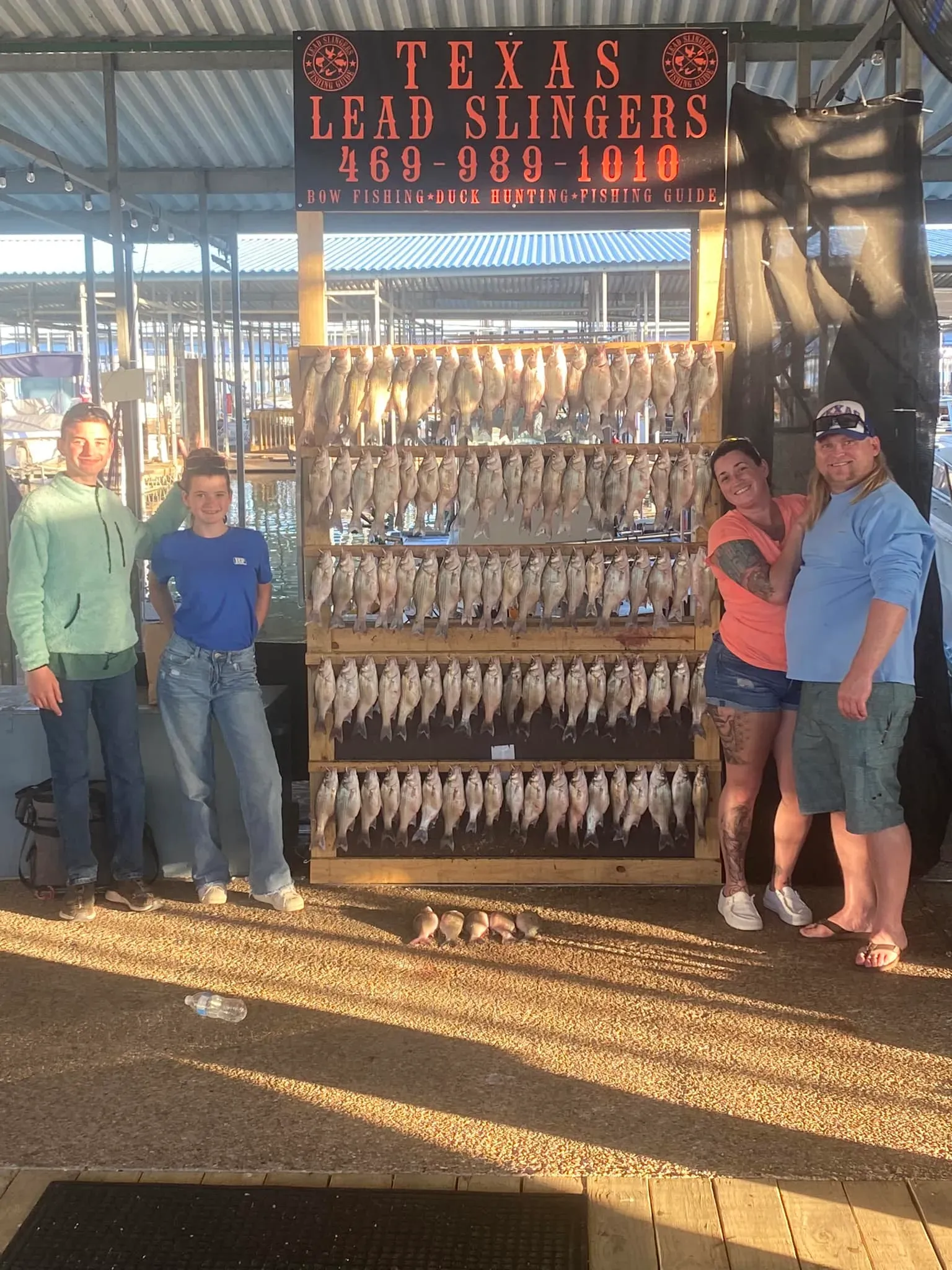
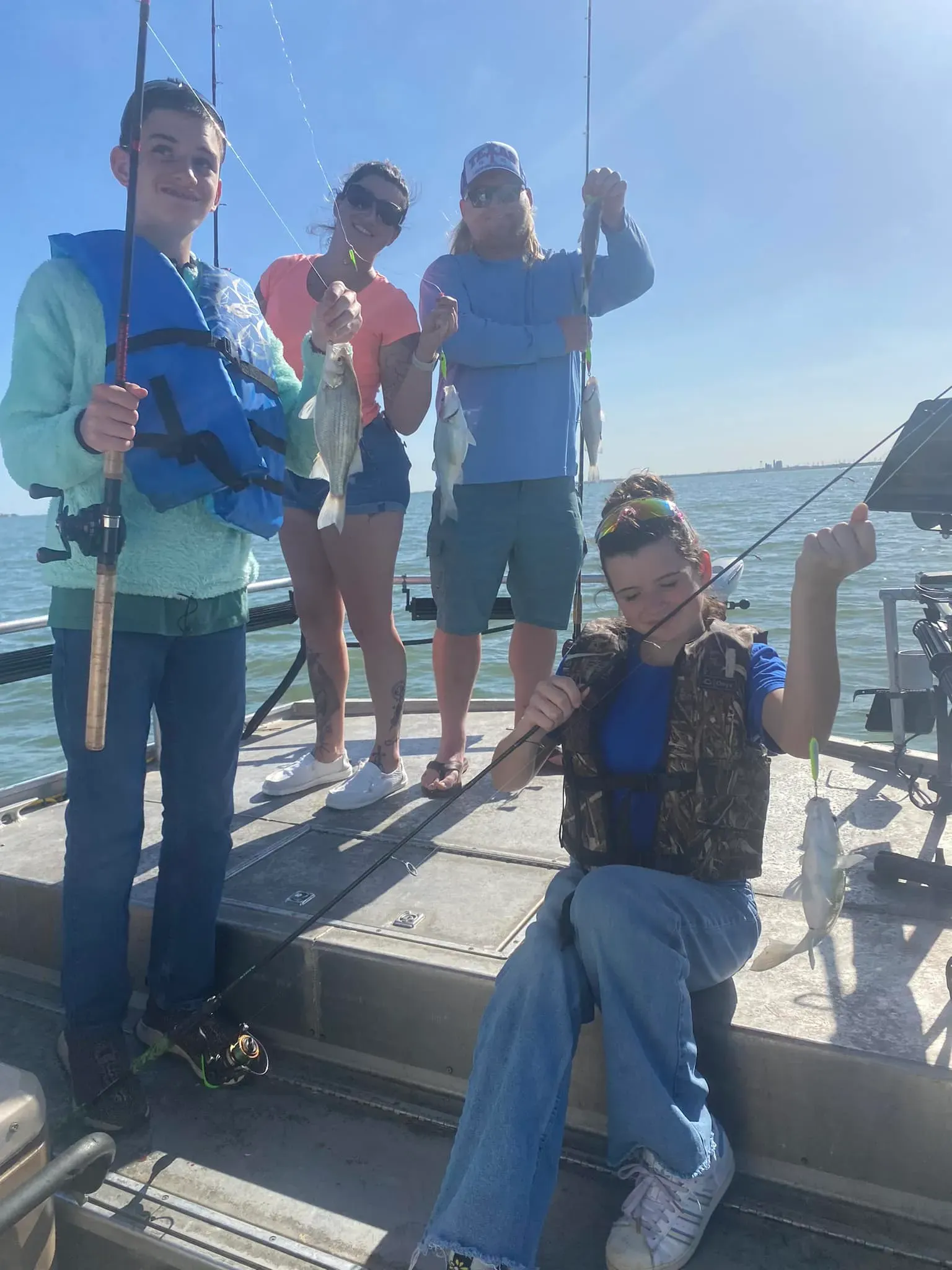
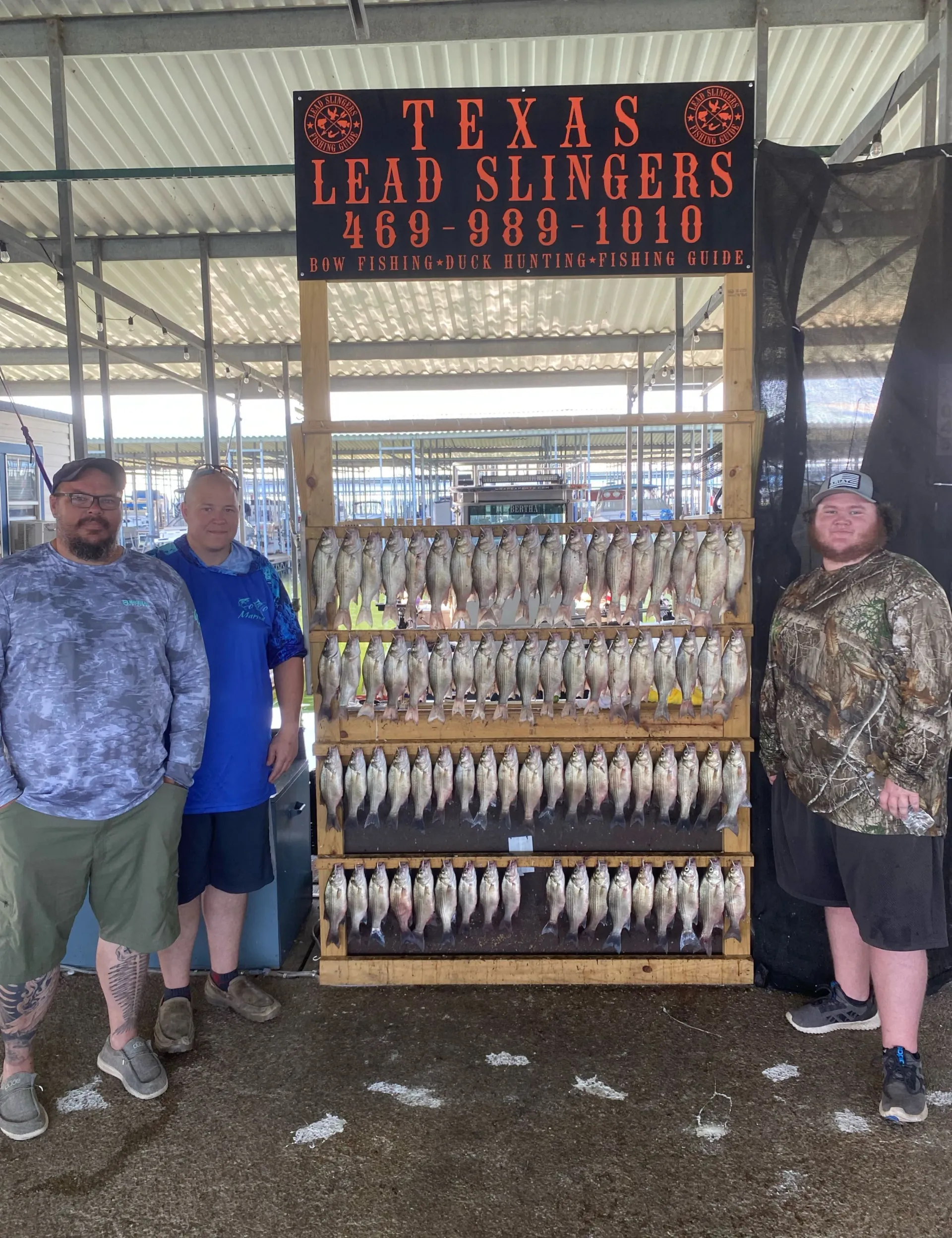
We provide guided Lake Ray Hubbard fishing trips for anglers who want to target crappie with the right equipment and seasonal approach. Our guides at Lead Slingers adjust the trip based on where fish are holding and how conditions change throughout the year. We provide the rods, reels, tackle, bait, lures, and custom tackle needed for the outing, so anglers can focus on fishing instead of preparing equipment. Spring trips can target crappie moving toward spawning areas, while summer and winter trips can focus on deeper brush, timber, and other structure. Our trips are suitable for different experience levels, including families and anglers who are new to Lake Ray Hubbard. With local knowledge and the right setup, we help anglers spend their time targeting the seasonal crappie pattern.
Conclusion
Successful crappie fishing on Lake Ray Hubbard starts with understanding how fish move through the seasons. Spring brings shallow movement and spawning activity, while summer often shifts fish toward deeper structure. Fall can bring active feeding, and winter concentrates crappie around deeper holding areas.
The technique should follow the fish. Live minnows, small jigs, spider rigs, and vertical jigging each have a place depending on depth and seasonal conditions. Ready to plan your next Lake Ray Hubbard fishing charter trip? Contact Lead Slingers to plan your day on the lake.
FAQs
- What is the best season for crappie fishing on Lake Ray Hubbard?
Spring is generally one of the best seasons as crappie move toward shallow spawning areas. Summer, fall, and winter can also produce good fishing around deeper structure. - What month is best for crappie fishing on Lake Ray Hubbard?
Spring months can offer strong crappie fishing as warming water triggers spawning movement. The best month can vary with water temperature and yearly conditions. - Where do crappie go during spring on Lake Ray Hubbard?
Spring crappie move toward shallower spawning areas, including protected coves, brush, timber, creek-related areas, and other available cover. - Where can I find crappie during summer on Lake Ray Hubbard?
Summer crappie often hold around deeper brush piles, bridge structures, standing timber, and creek channels where water conditions are more stable. - What bait is best for Lake Ray Hubbard crappie fishing?
Live minnows are a popular choice for crappie and can be presented around shallow cover, brush piles, timber, and deeper structure. - What lures work for crappie on Lake Ray Hubbard?
Small jigs are commonly used for crappie. Anglers can cast them around shallow cover or vertically present them around deeper brush and structure. - What depth should I fish for crappie on Lake Ray Hubbard?
Crappie depth changes throughout the year. Spring can bring fish into shallow water, while summer and winter often require searching deeper structure. - What time of day is best for Lake Ray Hubbard crappie fishing?
Early morning and evening can be productive during warmer months. Midday can also work when crappie are holding around deeper structure. - Is winter a good time for crappie fishing on Lake Ray Hubbard?
Yes. Winter crappie can concentrate around deeper brush, timber, channel edges, and other stable structure, making targeted fishing possible. - Can a Lake Ray Hubbard fishing guide help find crappie?
Yes. A Lake Ray Hubbard fishing guide can help anglers identify seasonal crappie locations, choose suitable techniques, and adjust depth as conditions change.