/filters:format(jpeg,png)/fit-in/300x300/guide_websites/1085/images/1773333909358image9.png)
/filters:format(jpeg,png)/fit-in/237x80/guide_websites/1085/images/1773333909358image9.png)
Best Time to Catch White Bass on Lake Ray Hubbard
%2Ffit-in%2F1000x1000%2Ffilters%3Aformat(webp)%2Fguide_websites%2F1085%2Fimages%2F1773338845571image44.png&w=1920&q=75)
Published: September 21, 2026
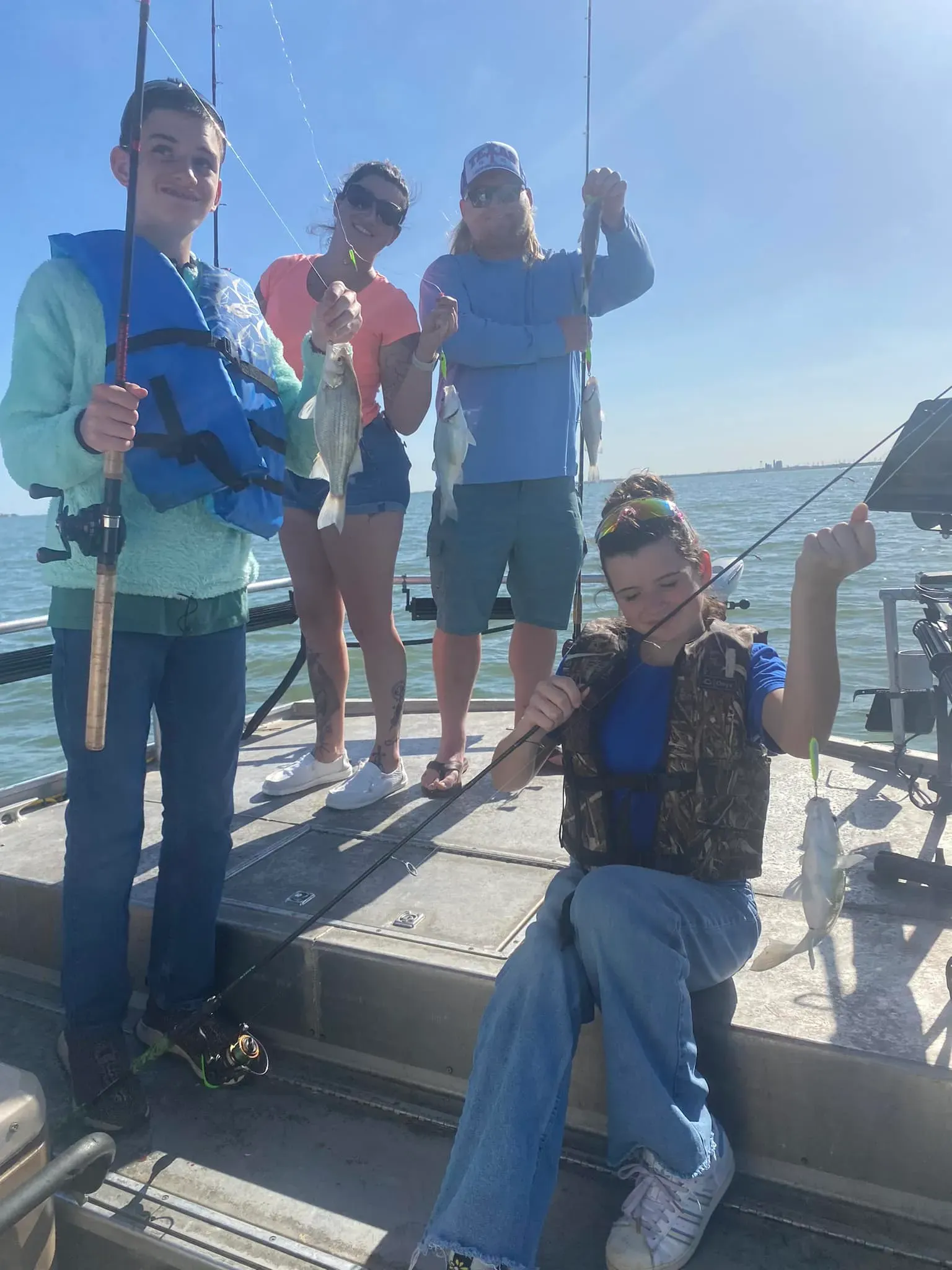
Lake Ray Hubbard offers white bass fishing opportunities throughout the year, but the best time to target them depends on seasonal fish movement, water temperature, baitfish activity, and lake conditions. Spring is especially important as white bass move toward tributaries and spawning areas, while summer and fall can produce strong schooling and feeding activity.
Understanding these seasonal patterns can help anglers decide when to plan Lake Ray Hubbard fishing trips and what type of fishing to expect. The lake covers more than 21,000 acres and supports white bass, hybrid striped bass, catfish, crappie, and other popular species.

When Is the Best Time to Catch White Bass on Lake Ray Hubbard?
The best time to catch white bass on Lake Ray Hubbard is generally during spring, especially April and May, when warming water triggers seasonal movement toward spawning areas. Summer and fall can also produce good fishing as white bass follow shad and form feeding schools. Winter offers another opportunity around deeper structure.
For anglers planning Lake Ray Hubbard white bass fishing, the best month depends on the pattern you want to target. Spring is ideal for following the white bass run, while summer and fall can offer active schooling action. Water temperature, baitfish movement, rainfall, and weather can shift the timing from one year to another.
Best Months for White Bass Fishing on Lake Ray Hubbard
White bass patterns change throughout the year, so understanding seasonal movements helps anglers choose productive dates, locate fish efficiently, and prepare for changing water conditions.
March: Spring Run Begins
Rising water temperatures can trigger the first major white bass movement of the year, making March an important transition month for anglers watching the seasonal pattern develop.
- Water Temperature: Warming water encourages white bass to move toward tributaries and spawning areas.
- Where to Fish: Focus on creek mouths, channels, current breaks, and nearby shallow areas.
- What to Watch: Look for the first signs of the annual spring run as fish become more active.
April: Peak Spring Opportunity
April can bring some of the most consistent spring white bass activity as fish continue moving toward spawning areas and gather around tributaries and current.
- Main Pattern: White bass remain active as seasonal spawning movement reaches its strongest period.
- Where to Fish: Target tributaries, creek mouths, current breaks, points, and shallow structure.
- Best Opportunity: Watch areas where moving water and warmer temperatures bring fish together.
May: Spawning and Schooling Action
May can bring a mix of late spring spawning activity and the beginning of summer schooling patterns as white bass respond to changing water temperatures and baitfish.
- Main Pattern: White bass may remain near tributaries while some begin moving toward main-lake areas.
- Where to Fish: Check creek channels, points, tributary mouths, and areas with concentrated baitfish.
- Best Opportunity: Changing patterns can make May productive for Lake Ray Hubbard fishing charters.
June: Summer Transition
June marks a shift toward warmer-water patterns as white bass increasingly follow shad and use main-lake structure, deeper water, and areas where baitfish gather.
- Main Pattern: White bass begin transitioning away from spawning areas toward summer feeding locations.
- Where to Fish: Look around points, timber, creek channels, and deeper areas holding shad.
- Best Opportunity: Early mornings can be productive before increasing temperatures push fish deeper.
July and August: Summer Fishing
The hottest months can move white bass toward deeper and cooler water, although active schools may still feed aggressively when baitfish become concentrated.
- Main Pattern: White bass follow shad and may school around deeper structure or open water.
- Best Time: Early mornings and evenings can provide better feeding activity during hot weather.
- Where to Fish: Search points, timber, creek channels, and open water near baitfish.
September: Early Fall Transition
September brings gradually cooler conditions that can change white bass feeding patterns and locations as fish begin transitioning away from their summer habits.
- Main Pattern: White bass respond to cooling water and changing baitfish movement.
- Where to Fish: Check deeper summer areas, points, creek channels, and baitfish concentrations.
- Best Opportunity: Follow the forage to identify areas where active white bass are feeding.
October and November: Fall Schooling
Cooler fall conditions can increase feeding activity as white bass chase shad and prepare for colder months, creating opportunities around points, creek mouths, and open water.
- Main Pattern: White bass become increasingly focused on feeding as water temperatures fall.
- Where to Fish: Target points, creek mouths, channel edges, and areas holding schools of shad.
- Best Opportunity: Watch for surface schooling and active baitfish when planning Lake Ray Hubbard fishing trips.
December Through February: Winter Fishing
Winter shifts white bass toward deeper areas where water conditions and baitfish concentrations can provide more stable holding locations during colder periods.
- Main Pattern: White bass often concentrate around deeper channels, humps, and underwater structure.
- Where to Fish: Focus on deep channel areas, structure, and locations where baitfish gather.
- Best Opportunity: Slower presentations and depth adjustments can help locate fish during colder water.
Best Season for Lake Ray Hubbard White Bass Fishing
The timing of white bass activity changes throughout the year as water temperatures, baitfish movement, and spawning behavior shift. Each season brings a different fishing pattern, so knowing what to expect can help you choose the right time, location, and technique for your trip.
Spring: Prime Time for White Bass
Spring is one of the most popular periods for targeting white bass on Lake Ray Hubbard. As water temperatures rise, fish move toward tributaries, creek channels, current breaks, and spawning areas.
- Main pattern: Fish move from deeper staging areas toward tributaries and shallower areas.
- Where to look: Tributary mouths, creek channels, current breaks, rocky areas, and points.
- Best techniques: Small jigs, inline spinners, crankbaits, blade baits, and other presentations that imitate baitfish.
The exact timing can change from year to year because water temperature and weather influence fish movement. During the spring run, white bass can become concentrated around current and tributary areas.
Summer: Schooling White Bass and Shad
Summer changes the pattern. White bass often follow schools of shad and can move between main-lake points, standing timber, flats, and deeper areas.
Texas Parks and Wildlife notes that white bass school in the lower lake during summer and that submerged brush piles can hold fish.
- Main pattern: White bass follow baitfish and school in open water or around structure.
- Where to look: Main-lake points, standing timber, current breaks, and flats near deeper water.
- Best techniques: Casting crankbaits, swimbaits, spinnerbaits, and other baitfish imitations.
Early morning and evening can be productive during hot weather, especially when white bass are actively feeding near the surface. During the middle of the day, fish may move deeper.
Fall: Follow the Bait
Fall brings cooler water and increased feeding activity as white bass prepare for winter. Schools can form around points, creek mouths, channel edges, and other areas where baitfish gather.
- Main pattern: White bass chase shad and use current and structure to find food.
- Where to look: Main-lake points, secondary points, creek mouths, timber, and channel edges.
- Best techniques: Lipless crankbaits, swimbaits, jigs, and other fast-moving baitfish imitations.
This can be a good season for anglers who enjoy active fishing because white bass may move frequently as baitfish shift locations.
Winter: Deeper Water Patterns
Winter does not mean white bass fishing stops. Fish often become more concentrated around deeper structure, river channels, and areas where baitfish are holding.
- Main pattern: White bass school in deeper water and around structure.
- Where to look: Deep channel bends, timber, current breaks, and deeper points.
- Best techniques: Vertical presentations, blade baits, jigs, and other lures that can be worked at depth.
Stable weather can help make winter fishing more predictable. On warmer winter days, white bass may move higher in the water column to feed.
Best Time of Day to Catch White Bass
The best time of day for Lake Ray Hubbard white bass fishing can change with the season, water temperature, and feeding activity. Early morning and evening often work well during warmer months, while midday can produce fish during cooler periods.
Early Morning
Early morning can be a productive window, particularly during summer when cooler temperatures encourage white bass to feed before the lake warms. Baitfish activity can also make shallow areas, points, and open-water locations worth checking during the first few hours after sunrise.
- Where to Look: Points, shallow structure, open water, and areas with active baitfish.
- Why It Works: Cooler water and low-light conditions can encourage white bass to feed more actively.
Midday and Afternoon
Midday fishing can remain productive when seasonal conditions encourage white bass to feed throughout the day. Spring is particularly worth considering, as warming water can increase activity. Deeper structure, creek channels, and areas holding baitfish can be useful when fish move away from shallow water.
- Where to Look: Creek channels, points, deeper structure, and baitfish concentrations.
- Why It Works: Rising water temperatures can trigger movement and feeding activity during the day.
Evening
Evening provides another useful feeding window, especially during warmer months when white bass become more active as temperatures begin to fall. Points, flats near deeper water, and areas with visible baitfish activity can be worth checking before sunset.
- Where to Look: Points, flats, creek mouths, and open water near baitfish.
- Why It Works: Cooling temperatures and lower light can increase feeding activity toward the end of the day.
How White Bass Fishing Changes Through the YearHow White Bass Fishing Changes Through the Year
White bass do not stay in one part of Lake Ray Hubbard throughout the year. Their movement follows changes in water temperature, spawning activity, baitfish, and seasonal conditions, so the most productive areas can shift significantly from spring through winter.
Spring Movement
Spring brings the most noticeable change in white bass location as warming water triggers movement toward tributaries and spawning areas. Fish may gather around creek mouths, channels, current breaks, and shallower areas. This seasonal movement makes spring a key period for Lake Ray Hubbard white bass fishing.
Summer Schooling
As temperatures rise, white bass transition toward summer feeding patterns and often follow schools of shad. Fish may spread across main-lake areas, points, timber, and deeper water. Early morning and evening can be useful periods for anglers planning Lake Ray Hubbard fishing trips during hot weather.
Fall Feeding
Cooling water in fall can increase feeding activity as white bass pursue baitfish and prepare for winter. Schools may form around points, creek mouths, channel edges, and open water. October and November can provide good opportunities to locate actively feeding fish during Lake Ray Hubbard fishing charters.
Winter Deep-Water Fishing
During winter, white bass generally shift toward deeper areas where conditions are more stable and baitfish remain concentrated. Channel bends, deeper points, humps, and structure can become important. Anglers may need to adjust their search as fish hold deeper and become less associated with shallow seasonal areas.
Fishing Regulations to Check
Before planning Lake Ray Hubbard fishing trips, anglers should review current Texas regulations for white bass, licensing, size limits, and daily bag limits. Rules can change, so checking the latest requirements before heading onto the lake helps ensure a legal fishing trip.
- Fishing License: Most anglers need a valid Texas fishing license unless they qualify for an exemption under state regulations.
- White Bass Limits: Check the current daily bag limit and minimum length requirement for white bass before keeping fish.
- Seasonal Rules: Review any current regulations that apply to white bass fishing during your planned season or fishing period.
- Catch and Release: If you release fish, handle them carefully and return them to the water as quickly as practical.
- Gear Requirements: Make sure your rods, hooks, lures, and other equipment comply with current Texas fishing regulations.
- Local Restrictions: Check for lake-specific rules, access restrictions, or temporary changes that may affect Lake Ray Hubbard white bass fishing.
- Current Regulations: Visit Texas Parks and Wildlife before your trip for the latest fishing regulations and requirements.
Plan Your White Bass Trip With Lead SlingersPlan Your White Bass Trip With Lead Slingers
We plan our Lake Ray Hubbard fishing trips around seasonal white bass movement, water conditions, and the time of year you want to fish. At Lead Slingers, we provide the equipment, bait, lures, and custom tackle needed for your outing, while our guides use their knowledge of the lake to adjust the approach as fish change locations. Spring trips can focus on the white bass run, while summer and fall outings may target schooling fish following baitfish. Winter trips can focus on deeper areas and seasonal patterns. Our guided trips are suitable for different experience levels, giving anglers a chance to spend more time fishing and less time figuring out equipment, locations, and seasonal patterns on their own.
Conclusion
The best time to catch white bass on Lake Ray Hubbard depends on the season and current lake conditions. Spring offers strong opportunities around tributaries and spawning areas, while summer and fall can produce active schooling fish chasing shad. Winter shifts the focus toward deeper structure and channels. Understanding seasonal movement, finding baitfish, and adjusting your technique can help you make better use of your time on the water. Ready to plan your Lake Ray Hubbard fishing trip? Contact Lead Slingers to choose a trip and get ready for a day of white bass fishing near Dallas.
FAQs
- What is the best time to catch white bass on Lake Ray Hubbard?
Spring is a prime period, especially as white bass move toward tributaries and spawning areas. Summer and fall can also provide strong schooling action. - When does the white bass run start on Lake Ray Hubbard?
The spring movement typically begins as water temperatures rise, but the timing can vary each year with weather and lake conditions. - Where can I find white bass on Lake Ray Hubbard?
Check tributary mouths, points, humps, creek channels, timber, and areas where current or baitfish concentrate. - What bait works for white bass on Lake Ray Hubbard?
Small jigs, crankbaits, swimbaits, blade baits, and other lures that imitate shad or small baitfish can be effective. - Can you catch white bass on Lake Ray Hubbard in summer?
Yes. Summer white bass can school around baitfish, points, timber, and deeper areas, with early morning and evening often productive. - Is white bass fishing good in the winter on Lake Ray Hubbard?
Yes. White bass can still be caught in winter, particularly around deeper channels, structure, and areas holding baitfish. - What other fish can I catch on Lake Ray Hubbard?
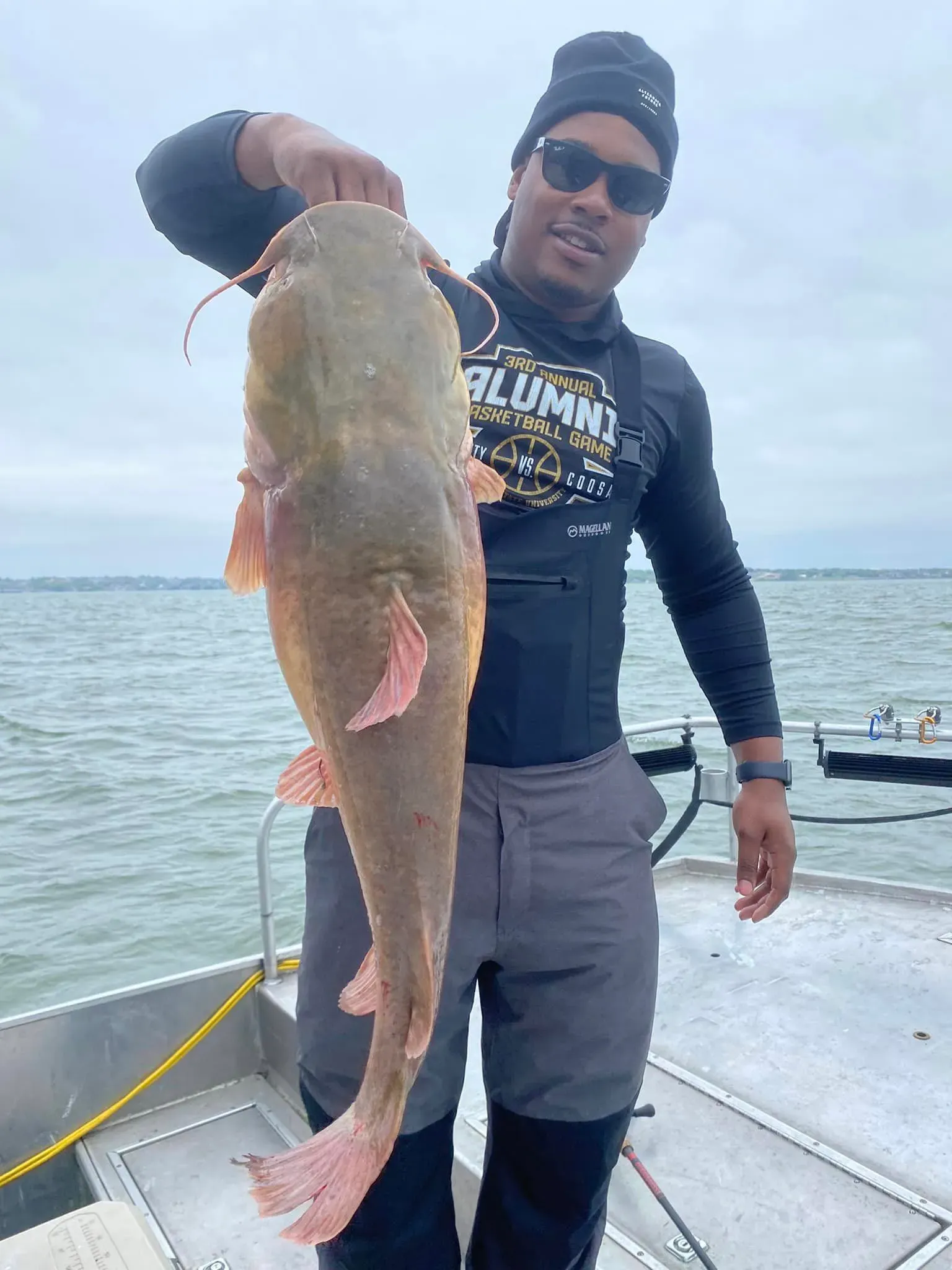
The lake also supports catfish, crappie, largemouth bass, and hybrid striped bass. - Do I need a fishing license for Lake Ray Hubbard?
Most anglers need a valid Texas fishing license unless they qualify for a state exemption. - What is the white bass limit on Lake Ray Hubbard?
Current TPWD survey information lists a 25-fish daily bag limit with a 10-inch minimum length. Check current regulations before fishing. - Can beginners book a Lake Ray Hubbard fishing guide?
Yes. Lead Slingers offers guided trips for anglers of different experience levels and provides the fishing equipment, bait, and tackle needed for the trip.