%2Ffit-in%2F250x250%2Fguide_websites%2F1085%2Fimages%2Fpng_squarecolor.png&w=1200&q=100)
/users/6f21ecc2-fc45-46f2-bdee-bf85b3d5bd7c/ratecard/img_9242.jpg)
%2F300x300%2Fusers%2F6f21ecc2-fc45-46f2-bdee-bf85b3d5bd7c%2Fratecard%2Fimg_9242.jpg&w=256&q=75)
%2F300x300%2Fusers%2F6f21ecc2-fc45-46f2-bdee-bf85b3d5bd7c%2Fimages%2Fwiper-fish-forney-catch-3043.jpg&w=256&q=75)
%2F300x300%2Fusers%2F6f21ecc2-fc45-46f2-bdee-bf85b3d5bd7c%2Fimages%2Fcouple-fishing-texas-3199.jpg&w=256&q=75)
%2F300x300%2Fusers%2F6f21ecc2-fc45-46f2-bdee-bf85b3d5bd7c%2Fimages%2Fforney-fishing-triumph-3106.jpg&w=256&q=75)
%2F300x300%2Fusers%2F6f21ecc2-fc45-46f2-bdee-bf85b3d5bd7c%2Fimages%2Fbountiful-bass-wiper-tx-3463.jpg&w=256&q=75)
%2F300x300%2Fusers%2F6f21ecc2-fc45-46f2-bdee-bf85b3d5bd7c%2Fimages%2Fhuge-striped-bass-wiper-catch-3052.jpg&w=256&q=75)
%2F300x300%2Fusers%2F6f21ecc2-fc45-46f2-bdee-bf85b3d5bd7c%2Fimages%2Foutdoor-adventurers-forney-3020.jpg&w=256&q=75)
%2F300x300%2Fusers%2F6f21ecc2-fc45-46f2-bdee-bf85b3d5bd7c%2Fimages%2Fforney-outdoor-escapades-2935.jpg&w=256&q=75)
%2F300x300%2Fusers%2F6f21ecc2-fc45-46f2-bdee-bf85b3d5bd7c%2Fimages%2Fwhite-bass-texas-fishing-3050.jpg&w=256&q=75)
%2F300x300%2Fusers%2F6f21ecc2-fc45-46f2-bdee-bf85b3d5bd7c%2Fimages%2Fanglers-fishing-trip-tx-3028.jpg&w=256&q=75)
%2F300x300%2Fusers%2F6f21ecc2-fc45-46f2-bdee-bf85b3d5bd7c%2Fimages%2Foutdoor-enthusiasts-forney-2960.jpg&w=256&q=75)
Top-Rated Duck Hunting in DFW Metroplex
 Lake Ray Hubbard
What you will be catching:
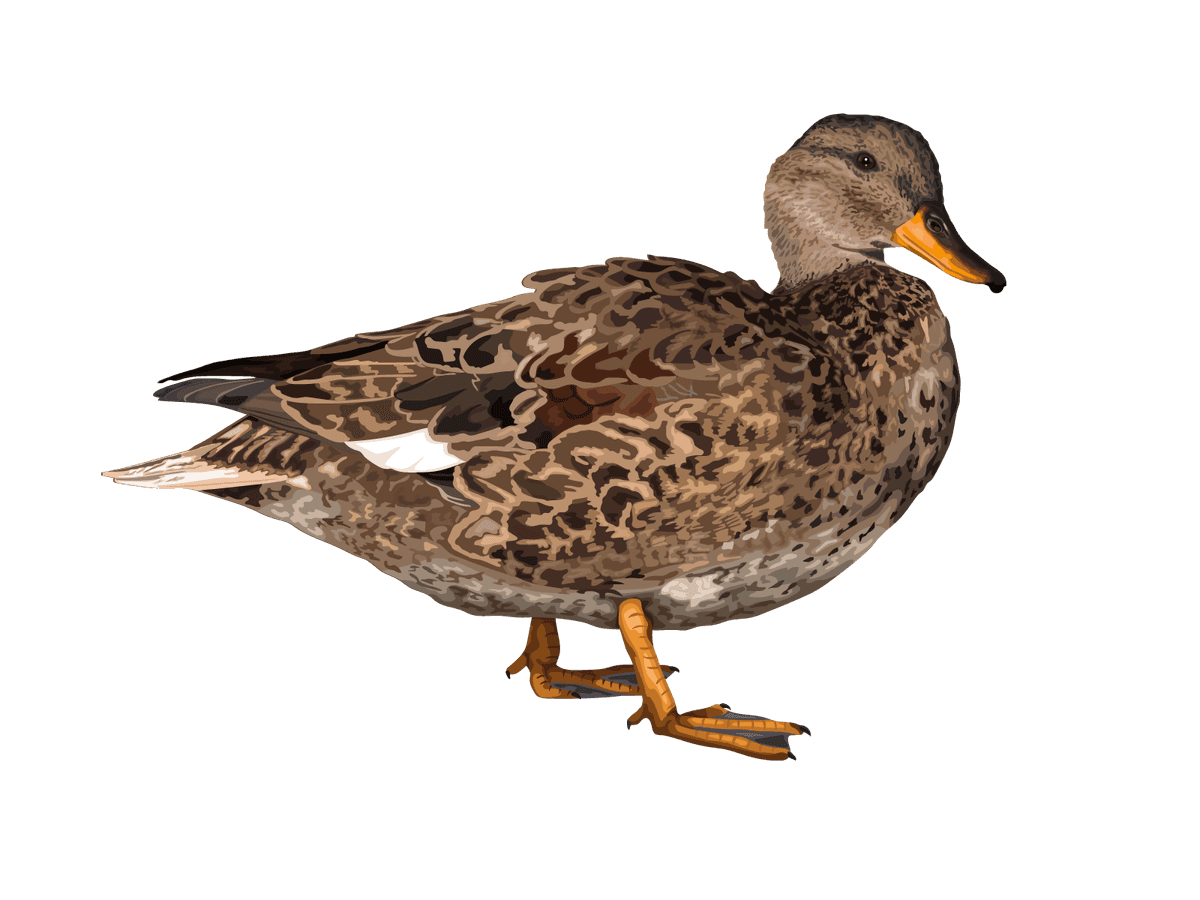
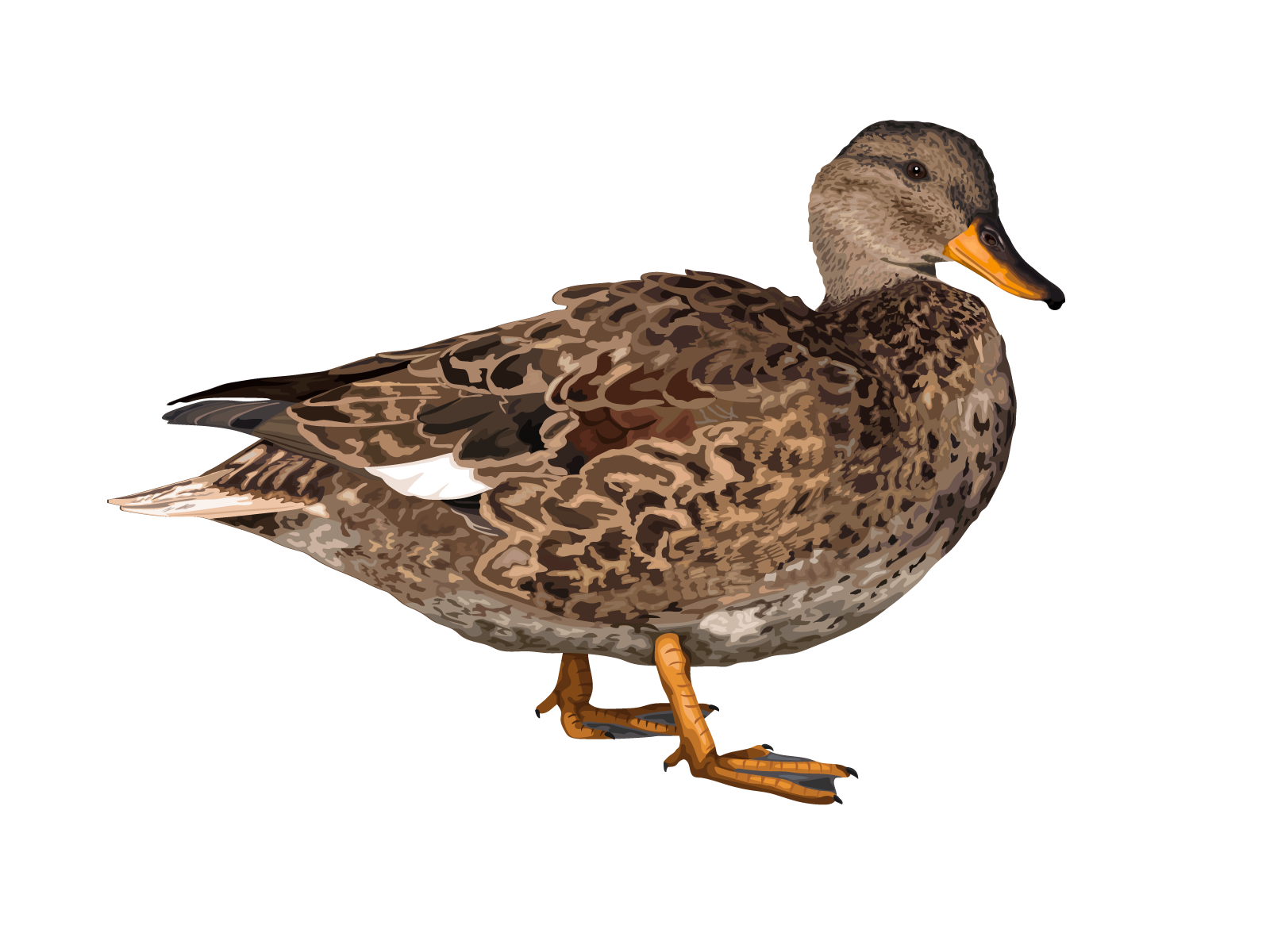 Gadwell Duck
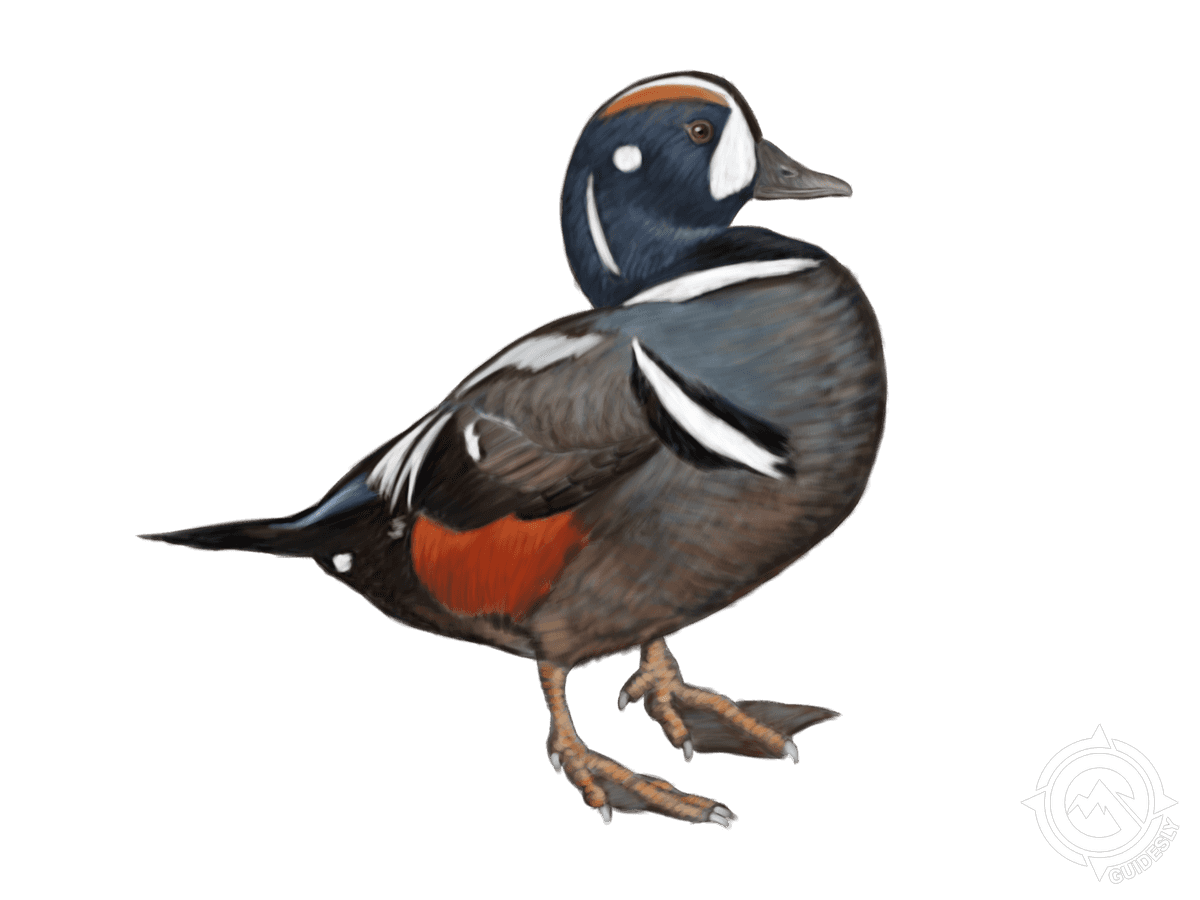
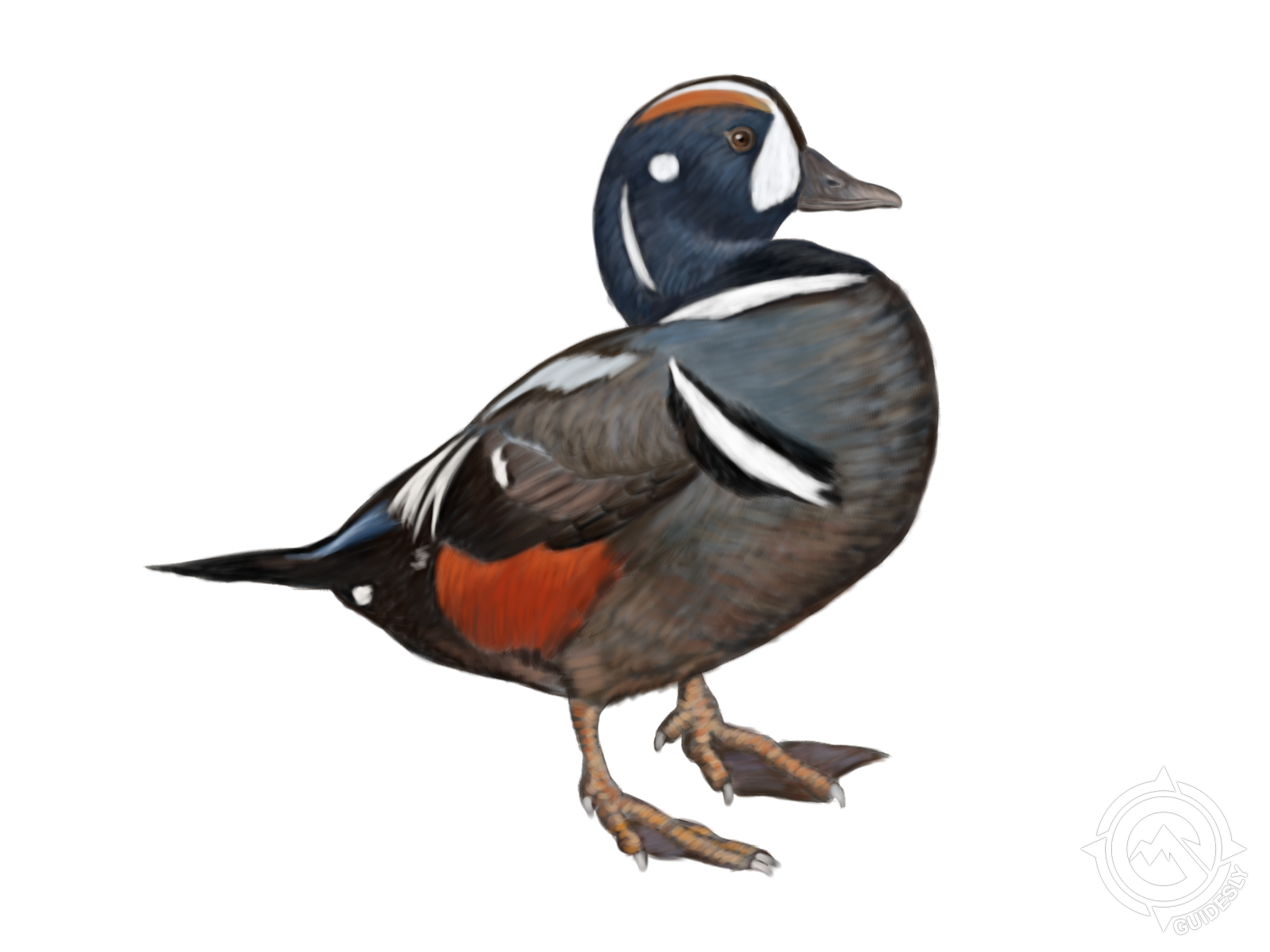 Harlequin Duck
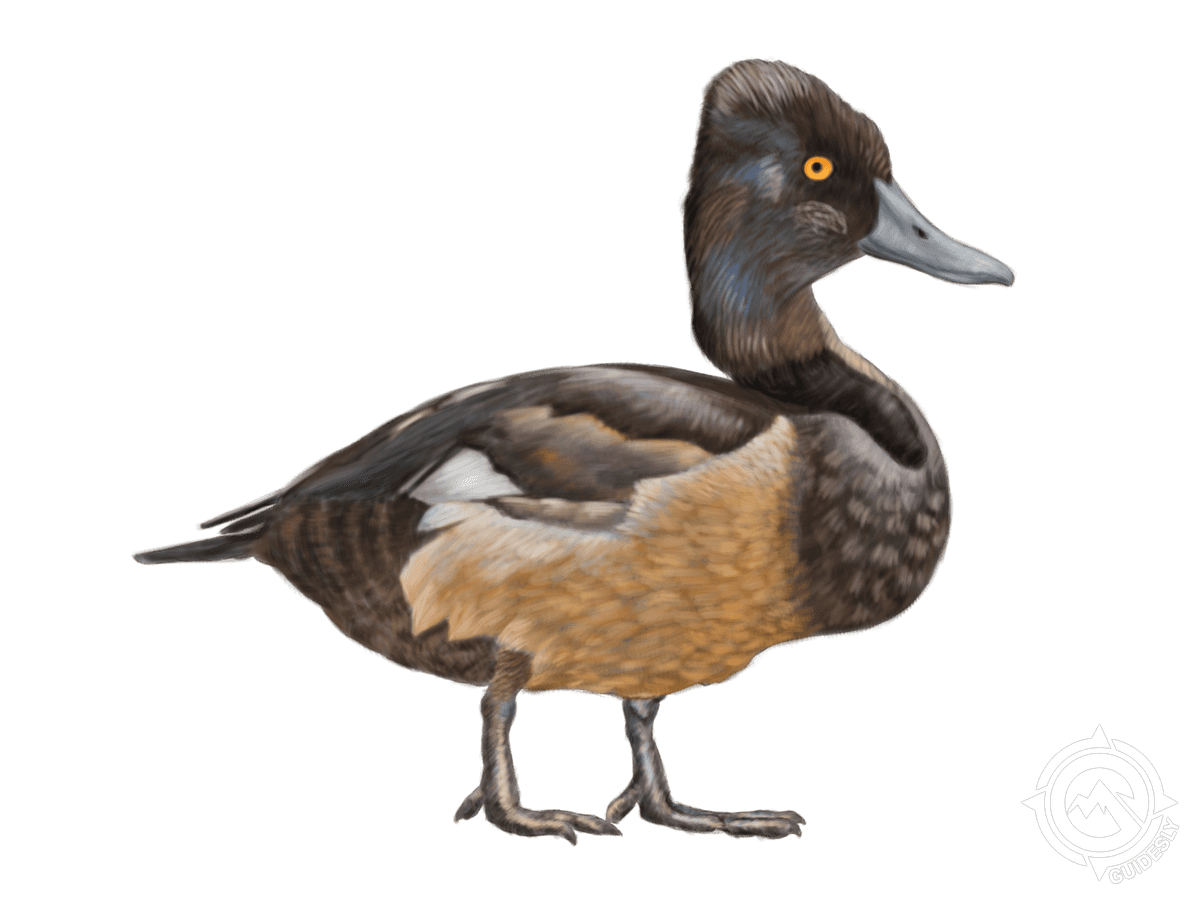
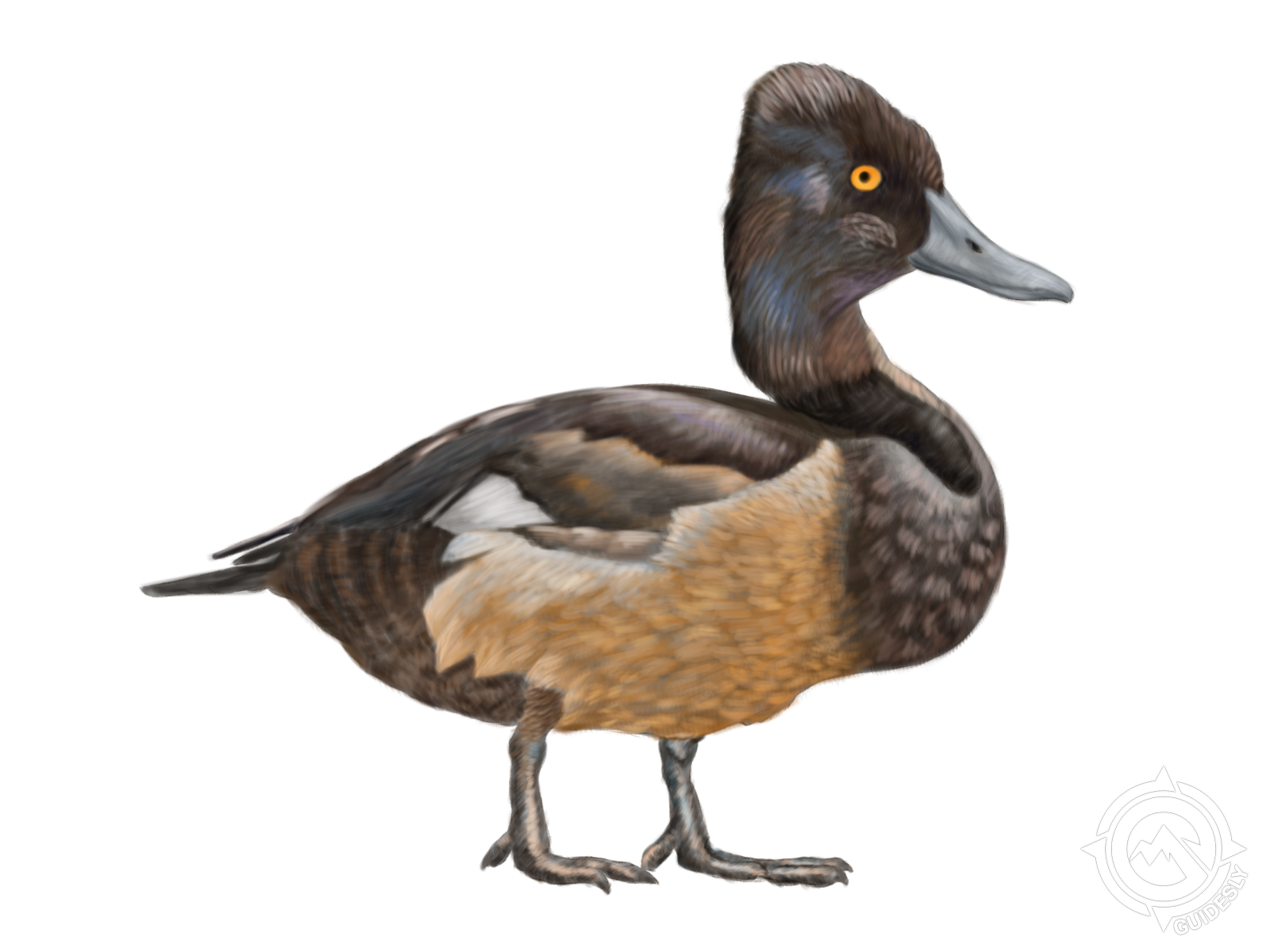 Ring-necked Duck
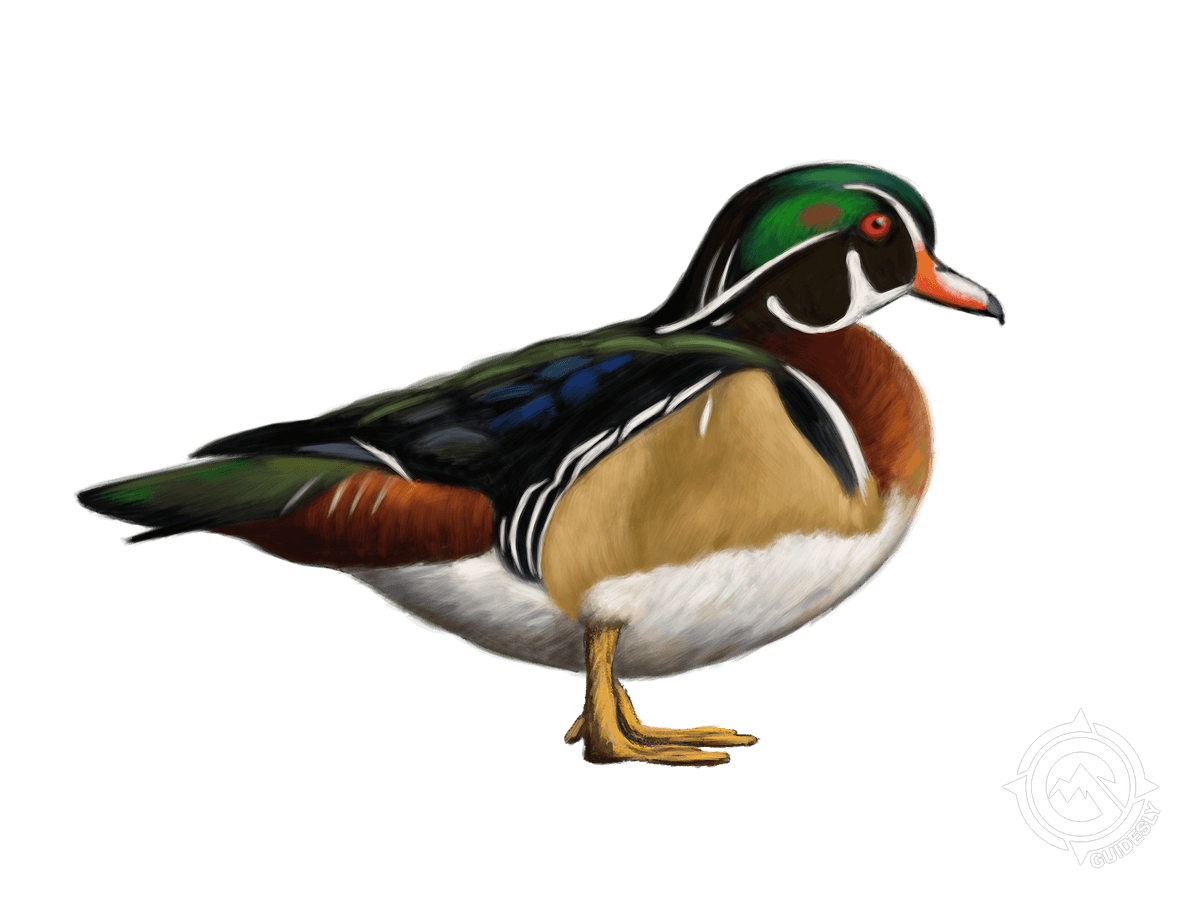
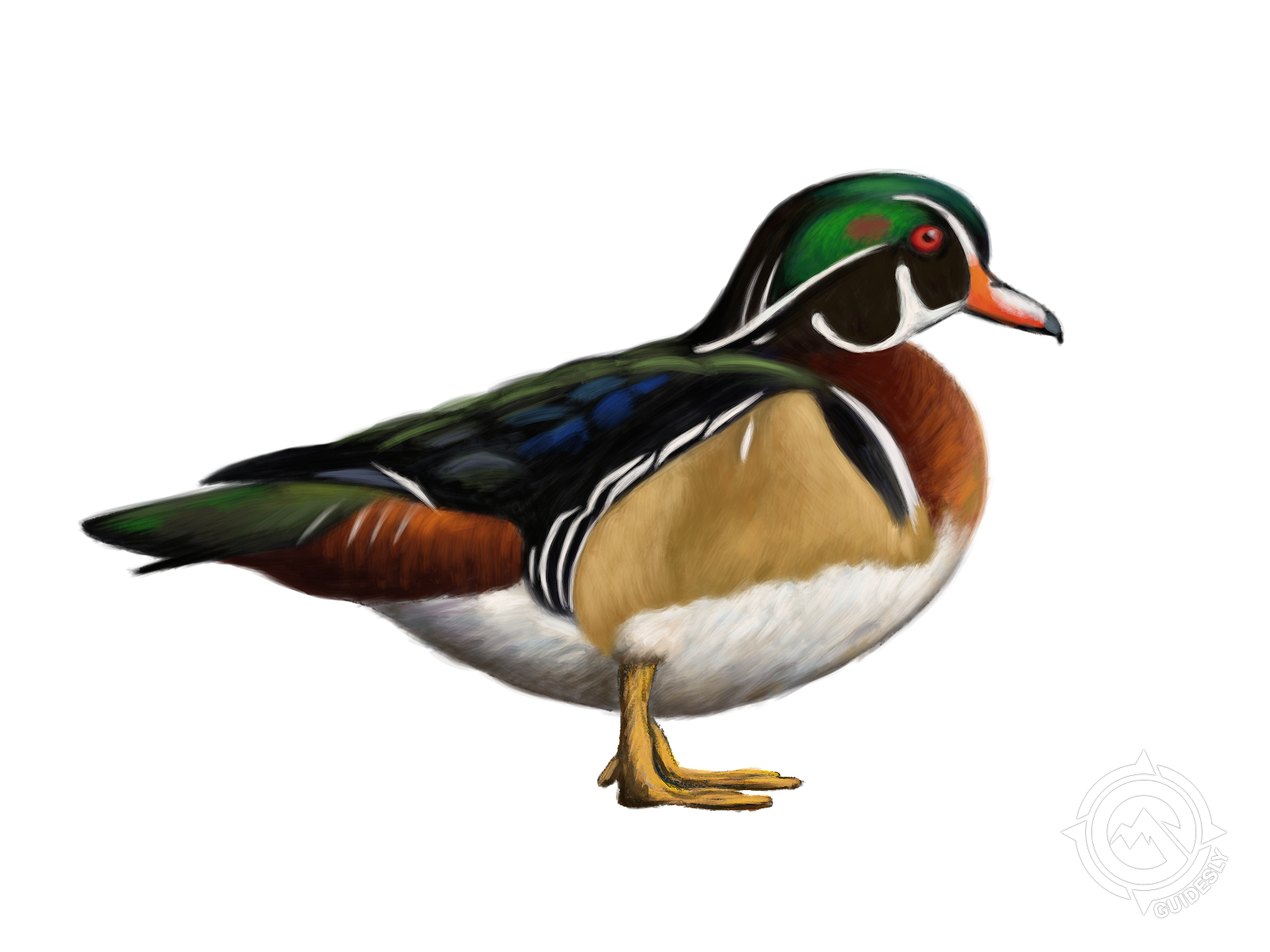 Wood Duck
- Private pond duck hunting near Forney, Texas with expert guide
- Complete setup provided including decoys, blinds, and chairs
- Pay-only-if-successful policy with rescheduling option available
Trip Pricing and Availabilities:
Trip pricing information is temporarily unavailable.
Private Land Duck Hunting: Limited Spots Near Forney
Get ready for a top-notch waterfowl hunt on private land just outside Forney, Texas. This isn't your average public land free-for-all – we're talking exclusive access to prime duck habitat that'll have you filling your limit in no time. Whether you're a seasoned wing shooter or new to the game, this trip offers the perfect blend of action, instruction, and good old-fashioned outdoor fun.
Trip Overview
Picture this: You're settled into a comfy blind at the edge of a pristine pond, decoys bobbing gently in front of you. The first hints of dawn are breaking across the Texas sky when suddenly, the whisper of wingbeats fills the air. Your guide gives a few expert calls, and before you know it, ducks are cupping their wings, ready to drop into your spread. That's the kind of heart-pumping action you can expect on this private land duck hunt. We've got the hotspots dialed in, the blinds set up just right, and all the local know-how to put you on birds. Plus, with the hunt capped at just one guest, you'll get plenty of one-on-one time to pick up new tricks of the trade from a guide who lives and breathes waterfowl hunting.
Inside the Hunt
This ain't no run-and-gun operation. We're set up on a honey hole of a pond that consistently produces throughout the season. You'll be hunting from a well-concealed blind, giving you the perfect vantage point to watch the show unfold. We provide all the essentials – blind, chairs, and a spread of realistic decoys that'll fool even the wariest of ducks. All you need to bring is your trusty shotgun, a couple boxes of shells, and your A-game. Don't worry if you're still working on your calling skills or perfecting your shot – your guide will be right there to offer tips and pointers throughout the hunt. From reading the birds to making that crucial shot count, you'll come away from this trip a better waterfowler, guaranteed.
Tracking Tips & Terrain
Success in the duck blind is all about reading the signs and knowing the lay of the land. Our private pond setup gives us a major advantage – we can pattern the birds and adjust our tactics without worrying about competing pressure. We'll go over the basics of setting an effective spread, using the wind to your advantage, and how to stay hidden when those keen-eyed mallards are circling overhead. The terrain around Forney is prime duck country, with a mix of agricultural fields and wetlands that attract a variety of species. Depending on the time of season and weather patterns, we might focus on field edges for puddle ducks or stick to the deeper water for divers. Either way, you'll get the inside scoop on how to hunt effectively in this neck of the woods.
Target Game Breakdown
Wood Duck: These colorful acrobats of the duck world are a favorite among Texas hunters. Known for their lightning-fast flights through wooded areas, wood ducks offer an exciting challenge. They're typically most active early in the season, so our November hunts are prime time to target these beauties. Watch for them zipping low over the water, often in small groups.
Ring-necked Duck: Don't let the name fool you – you'll spot these birds by their distinctive white ring near the bill, not their neck. Ring-necks are diving ducks that prefer slightly deeper water. They're fast flyers and make for great table fare. We usually see good numbers of "ringers" later in the season, especially if we get some cold fronts pushing birds down from the north.
Gadwall: Often overlooked by novice hunters, gadwalls are a staple of Texas duck hunting. These "gray ducks" might not be as flashy as some species, but they're crafty flyers and make for some challenging shooting. Gadwalls respond well to calling and decoys, so we'll have plenty of chances to work birds into the spread.
Harlequin Duck: While not common in our area, the occasional harlequin duck sighting is always cause for excitement. These sea ducks are more typically found along rocky coastlines, so spotting one inland is a real treat. If we're lucky enough to encounter a harlequin, it'll be a day to remember – their striking plumage is unlike any other duck you'll see in Texas.
What to Know Before You Go
Let's talk logistics. The season kicks off November 8th and runs through December, then picks back up from December 20th to January 26th. Make sure you've got your ducks in a row (pun intended) when it comes to licenses. You'll need a Texas hunting license ($25) and a Migratory Game Bird Stamp Endorsement ($25). If you're bringing along a youngster, youth licenses are a steal at just $7, but they'll still need that $25 duck stamp. Don't forget to complete your hunter education course – it's required for anyone born on or after September 2, 1971. We can help point you towards online options to get certified.
As for gear, we've got you covered on the big stuff. Blind? Check. Decoys? You bet. Even bird cleaning is included. Just bring your shotgun, 1-2 boxes of shells, and dress for the weather. Texas mornings can be chilly, so layer up. Waders aren't always necessary, but waterproof boots are a good idea. And hey, if you're new to waterfowl hunting or want to try out some public land spots in the future, just give us a shout. We're always happy to share some local intel.
Book Your Next Tag
Look, there's a reason why duck hunters get so fired up about the season – once you experience the rush of birds cupping into your spread at first light, you'll be hooked for life. This private land hunt near Forney is the perfect way to get in on the action, whether you're a seasoned pro or still figuring out which end of the call to blow into. With limited spots available, especially during peak season, you'll want to lock in your date ASAP. Remember, we operate on a "no birds, no pay" policy – if the ducks aren't flying, we'll reschedule and try again. So what are you waiting for? Grab your gear, round up a buddy, and let's make some duck hunting memories that'll last a lifetime. The birds are calling – time to answer!
Learn more about the animals
Gadwell Duck
Gadwalls might not be the flashiest ducks in the sky, but they're a solid target for any hunt. These medium-sized birds have a subtle beauty - look for the black patch on the tail and the chestnut wing patch. They love shallow wetlands and ponds with plenty of vegetation. You'll often find them mixed in with other puddle ducks. Gadwalls are most numerous here from November through January. Hunters appreciate them for their consistent numbers and good-tasting meat. They're not as wary as some ducks, which can make for steady action throughout the day. To bring gadwalls in close, try setting up in areas with submerged vegetation. They're big-time plant eaters, so they'll gravitate to spots with plenty of duck salad. One trick I've found effective is using a soft, raspy call. Gadwalls aren't loud talkers, so mimicking their quiet chuckle can be just the ticket to get their attention.
Harlequin Duck
Harlequin ducks are a rare treat around these parts. They're small but stocky, with striking blue, chestnut, and white plumage on the males. Typically coastal birds, seeing one inland is uncommon but not unheard of. They prefer fast-moving water, so look for them near rapids or turbulent areas if you're lucky enough to spot any. Best chances are during the coldest parts of winter when some might stray inland. Hunters value harlequins for their rarity and beautiful feathers more than for the table. These ducks are strong swimmers and divers, making them a real challenge to hunt. If you do see harlequins, my advice is to be patient and let them settle. They're wary birds and will spook at the slightest disturbance. Use small decoy spreads and natural cover to your advantage. Remember, bag limits on these are usually strict due to their scarcity, so always check regulations.
Ring-necked Duck
Ring-necks are medium-sized diving ducks, known for their distinctive white ring on the bill. You'll spot them on deeper ponds and lakes, often in small groups. They're fast flyers and skilled divers, making them a challenging and fun target. Peak season for ring-necks here in Texas is usually December through January. Hunters prize these birds for their sporty nature and good eating - the meat's mild and not too greasy. To get a bead on ring-necks, focus on open water areas near the center of ponds. They're not big on hanging out near shore like some other ducks. My go-to trick is using a mix of ring-neck and scaup decoys. The two species often flock together, and this spread can be really effective. Keep an eye out for their signature white wing bars when they're in flight - it's a dead giveaway.
Wood Duck
These colorful characters are a real treat to hunt. About the size of a pigeon, wood ducks prefer wooded swamps and tree-lined ponds. They're quick and agile flyers, often zipping through trees. Best time to catch 'em is early season, September through November, when they're nesting nearby. Hunters love wood ducks for their striking plumage - the males are downright gorgeous with green crests and chestnut breasts. They're also mighty tasty on the table. To up your odds, set up near fallen trees or stumps in shallow water. Wood ducks like cover, so they'll often swing by these spots. One trick I've learned over the years: mimic their high-pitched squeal call. It's distinct from other ducks and can really bring them in close. Just remember, they spook easy, so stay hidden and keep movement to a minimum.